

Quick answer
Reaching Icacos Island requires a boat departure from Fajardo, typically via water taxi, private charter, or organized catamaran tour. The crossing takes fifteen to twenty-five minutes depending on vessel type and sea conditions. No public ferry service operates to the cay; all transport is privately operated, and advance booking is recommended during peak season.
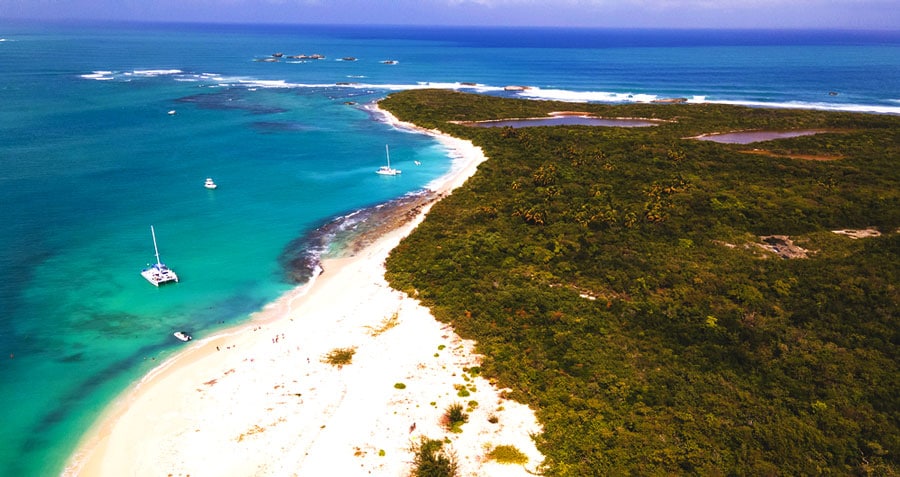
Icacos Island has no dock, no landing pier, and no scheduled government ferry—every visitor arrives by private watercraft that anchors offshore. The island's status as an uninhabited nature reserve means infrastructure stops at the shoreline, and the only way in is through one of the commercial operators licensed to carry passengers from the Fajardo marina district. Most travelers depart from one of three points along the Fajardo coast: Villa Marina, Puerto del Rey, or the smaller launching coves near Seven Seas Beach. Water taxis run on flexible schedules, often coordinating multiple drop-offs across the reef system that includes Icacos, Palomino, and Palominito. Private charters offer direct passage and return on your timeline, while group catamarans bundle the crossing with snorkel gear and a guided reef tour. The journey itself covers open water between the main island and the La Cordillera reef chain; the passage is usually calm in the morning hours, with chop increasing as trade winds build through the afternoon. Reaching Icacos Island starts with reaching Fajardo, which sits at the northeastern tip of Puerto Rico roughly an hour's drive from San Juan. Route 3 and Route 53 both terminate near the marina zone; parking is available at most departure facilities, though spaces fill quickly on weekends and holidays. Confirm your departure terminal when you book—operators work from separate docks, and the marina district sprawls across a mile of coastline with limited signage. Most water taxis request check-in fifteen to thirty minutes before departure; late arrivals forfeit their passage without refund. The cay itself has no facilities—no restrooms, no shade structures, no freshwater source—so the logistics of how to get to Icacos Island extend to what you carry with you. Operators typically provide coolers and snorkel equipment, but sunscreen, drinking water, and portable shelter are the visitor's responsibility. Return crossings are coordinated in advance; missing your scheduled pickup means waiting for the next available vessel, which may be hours later. Confirm your return time before disembarking, and keep a charged phone in a waterproof case. The marine reserve is managed by the Puerto Rico Department of Natural and Environmental Resources, and all commercial operators are required to hold active permits; verify credentials if booking through third-party platforms.
“The island has no dock, no landing pier, and no scheduled government ferry—every visitor arrives by private watercraft that anchors offshore.”
How to Get to Icacos Island: Boat and Transport Logistics
Icacos Island is located off the coast of Fajardo, Puerto Rico, and is accessible only by water. Visitors typically reach the island by departing from local marinas via private charter, water taxi, or organized boat tours.
Private charter from Puerto Chico Marina
Water taxi from Marina Puerto del Rey
Organized tour from Fajardo marinas
The Best Time for How to Get to Icacos Island
The best arrival window for Icacos Island is 09:00–11:00. Arriving during these hours ensures the calmest water conditions for your transit and allows you to experience the island before the afternoon tour crowds arrive.
Weekday mornings
Minimal crowds—
Visiting midweek offers the quietest experience on the island.
December to April
High season; moderate crowdsDrier, 75°F to 85°F
These months provide consistent sunshine and ideal sea conditions for travel.
May to November
Low season; fewer visitorsWarmer, 80°F to 90°F
Expect occasional rain showers, though the sea remains favorable for early morning trips.
Verdict: For the optimal experience, aim for a weekday arrival between 09:00–11:00 during the months of April or October.
Admission Fees: How to Get to Icacos Island for Free
Icacos Island is a public nature reserve managed by the Department of Natural and Environmental Resources. There are no fees to access the island itself.
The entry fee is 0 USD, meaning visitors only incur costs related to their chosen method of boat transport.
Opening Hours for How to Get to Icacos Island
Icacos Island is open to the public daily throughout the year.
| Monday | 00:00–23:59 | |
|---|---|---|
| Tuesday | 00:00–23:59 | |
| Wednesday | 00:00–23:59 | |
| Thursday | 00:00–23:59 | |
| Friday | 00:00–23:59 | |
| Saturday | 00:00–23:59 | |
| Sunday | 00:00–23:59 |
Checklist: What to Bring When Figuring Out How to Get to Icacos Island
-
Reef-safe sunscreen — Chemical sunscreens damage the coral surrounding the island.
-
Wide-brim hat and UV shirt — The island offers zero natural shade or shelter.
-
Reusable water bottle, filled — No drinking water is available; stay hydrated in full sun.
-
Dry bag for valuables — Protect phones and wallets from sand and saltwater.
-
Snorkel gear if you have it — The reef is the main attraction; rentals may be limited.
-
Trash bag for all waste — Pack out everything you bring — the island has no bins.
-
Cash for the boat captain — Most operators prefer cash for tips and last-minute bookings.
Check availability
Frequently Asked Questions About How to Get to Icacos Island
Everything you need to know about how to get to icacos island