
Quick answer
Icacos Island lies approximately one mile offshore from Fajardo, Puerto Rico, in the Caribbean Sea at coordinates 18.3794° N, 65.5692° W. The island is part of the La Cordillera Nature Reserve and is accessible only by private boat, water taxi, or guided tour—no bridge or public ferry connects it to the mainland.
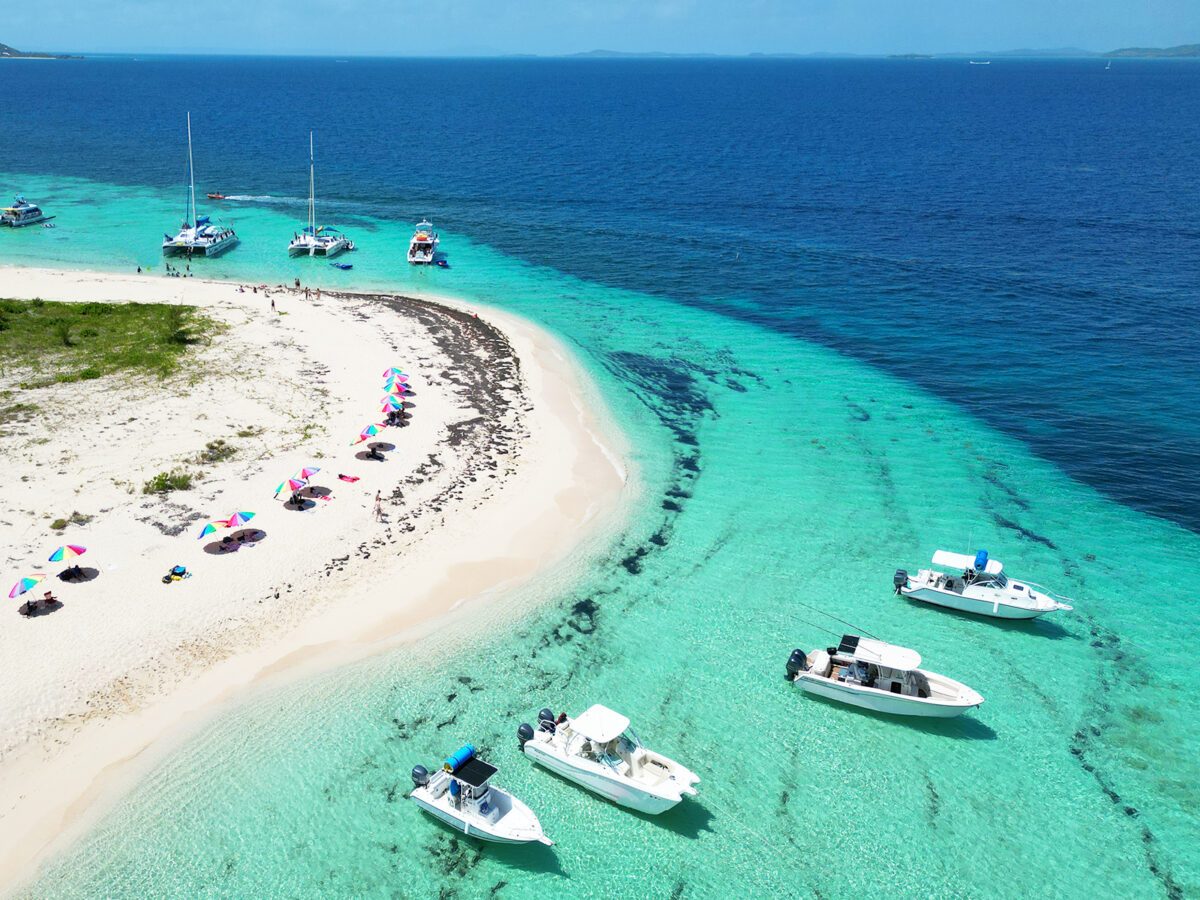
Icacos Island occupies a narrow strip of sand and coral roughly one nautical mile northeast of Seven Seas Beach in Fajardo. The cay forms the easternmost point of La Cordillera, a chain of small islands and coral reefs that runs parallel to Puerto Rico's northeast coast. From the Fajardo waterfront, Icacos appears as a low white crescent backed by sea grape and coconut palms, close enough that snorkelers often mistake the swim for feasible. The island's position places it directly in the path of the Atlantic trade winds, which keep the waters clear but can produce moderate chop by midday. Most captains route around the north side of Cayo Lobos before turning south into the lee of Icacos, where the sand slopes gently into turquoise shallows. The western shore offers the calmest anchorage and the widest stretch of beach, while the eastern tip drops quickly into deeper water popular with divers. Understanding where is Icacos island within the broader reserve system matters for planning. The cay holds no facilities, no shade structures, and no fresh water. Everything visitors need must arrive by boat. The surrounding reef and seagrass beds fall under federal protection, which prohibits anchoring in certain zones and limits group sizes during nesting season. The reserve boundary extends a quarter mile offshore in all directions, creating a buffer that keeps commercial shipping lanes at a distance. Navigating to Icacos requires either chartering a private vessel or joining a scheduled tour from Fajardo's marina district. The crossing takes twelve to eighteen minutes depending on sea state and departure point. Captains monitor weather closely; swells above four feet often trigger cancellations. Visitors who understand the island's position relative to Fajardo, the marine reserve rules, and the seasonal wind patterns arrive prepared for the logistics that define access to this protected cay.
“From the Fajardo waterfront, Icacos appears as a low white crescent backed by sea grape and coconut palms, close enough that snorkelers often mistake the swim for feasible.”
Where Is Icacos Island and How Do You Get There?
Icacos Island is located approximately 1.5 miles off the northeastern coast of Fajardo, Puerto Rico. Because there is no public ferry service to the island, visitors must arrange transportation via water taxi, catamaran, or private charter departing from local marinas.
Water taxi or charter from Marina Puerto del Rey or Villa Marina
Route PR-3 to Fajardo
When Is the Best Time to Visit Where Icacos Island Is?
The best arrival window for Icacos Island is 08:00–11:00. Arriving during these hours ensures the calmest water conditions and allows visitors to enjoy the shoreline before afternoon crowds arrive.
Weekday mornings
Very low—
Fewer visitors provide more space on the beach. Water clarity is often highest before midday wind shifts.
Mid-April to June
Moderate78°F to 88°F
These months fall outside the peak winter travel season. Visitors benefit from warm temperatures and manageable island density.
September to November
Low76°F to 87°F
This period aligns with the shoulder season. You will encounter fewer tourists, though planning around weather patterns is recommended.
Verdict: For the most peaceful experience, plan your visit for a weekday morning between April and June or September and November.
Opening Hours: Where Is Icacos Island Accessible?
Icacos Island is a public nature reserve accessible throughout the week. Access is governed by marine conditions and vessel availability rather than a physical gate.
| Monday | 00:00–23:59 | |
|---|---|---|
| Tuesday | 00:00–23:59 | |
| Wednesday | 00:00–23:59 | |
| Thursday | 00:00–23:59 | |
| Friday | 00:00–23:59 | |
| Saturday | 00:00–23:59 | |
| Sunday | 00:00–23:59 |
Pre-Visit Checklist: Preparing for Where Icacos Island Is Located
Pack light but smart — Icacos has no facilities, shade, or vendors once you arrive.
-
Book your boat transfer in advance — Tour operators fill quickly during peak season and weekends.
-
Pack reef-safe sunscreen (SPF 30+) — Chemical sunscreens damage the coral; biodegradable formulas are required.
-
Bring 2–3 liters of water per person — No potable water exists on the island; dehydration happens fast in full sun.
-
Pack a trash bag for your waste — The reserve has no bins; visitors must carry out everything they bring.
-
Wear water shoes or sandals with straps — The seabed has sharp coral fragments and sea urchins near the shore.
-
Bring snorkel gear if you have it — Rentals are available on most tours, but your own gear guarantees fit and hygiene.
Check availability
Frequently asked questions about where is icacos island
Everything you need to know about where is icacos island