6 hr
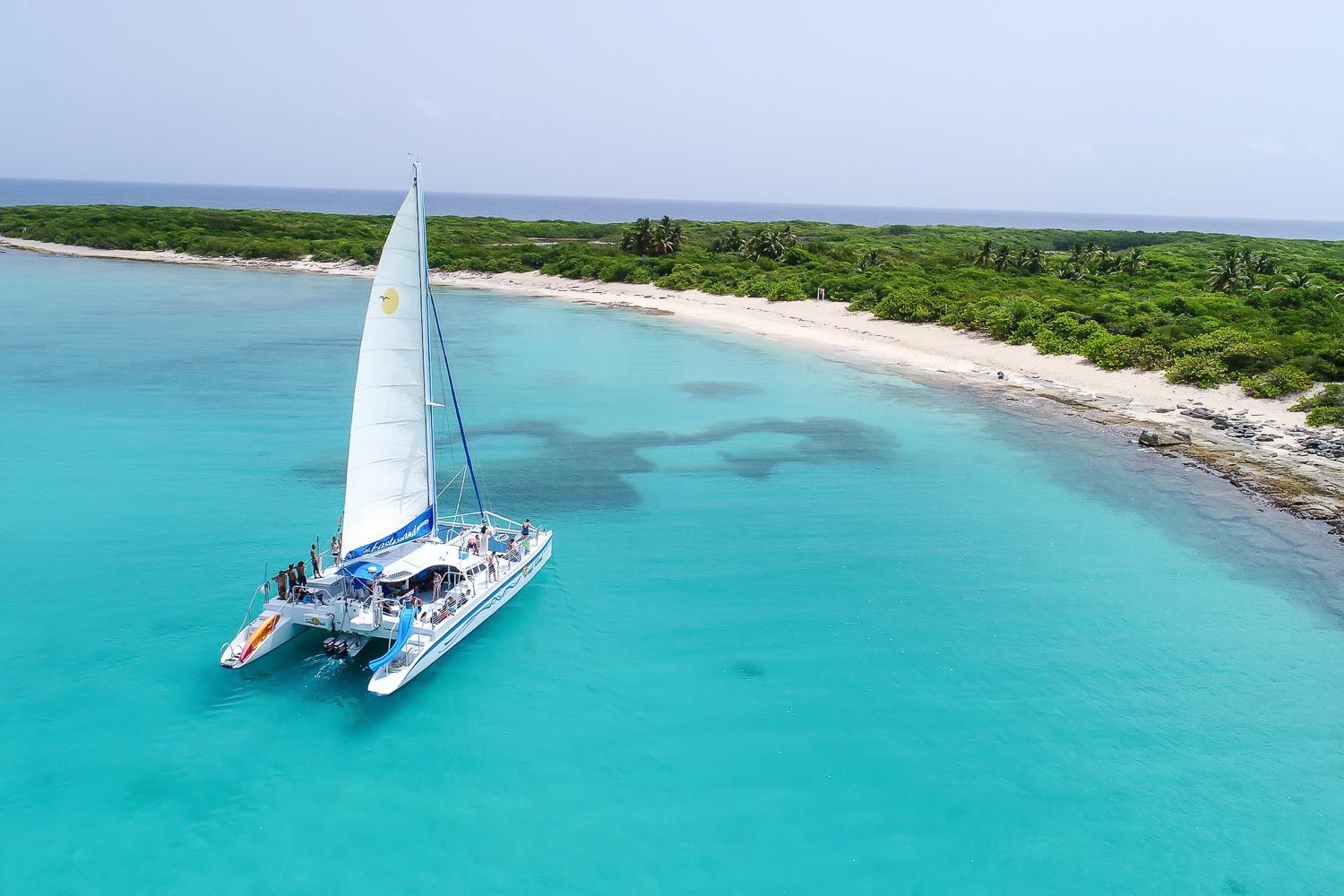
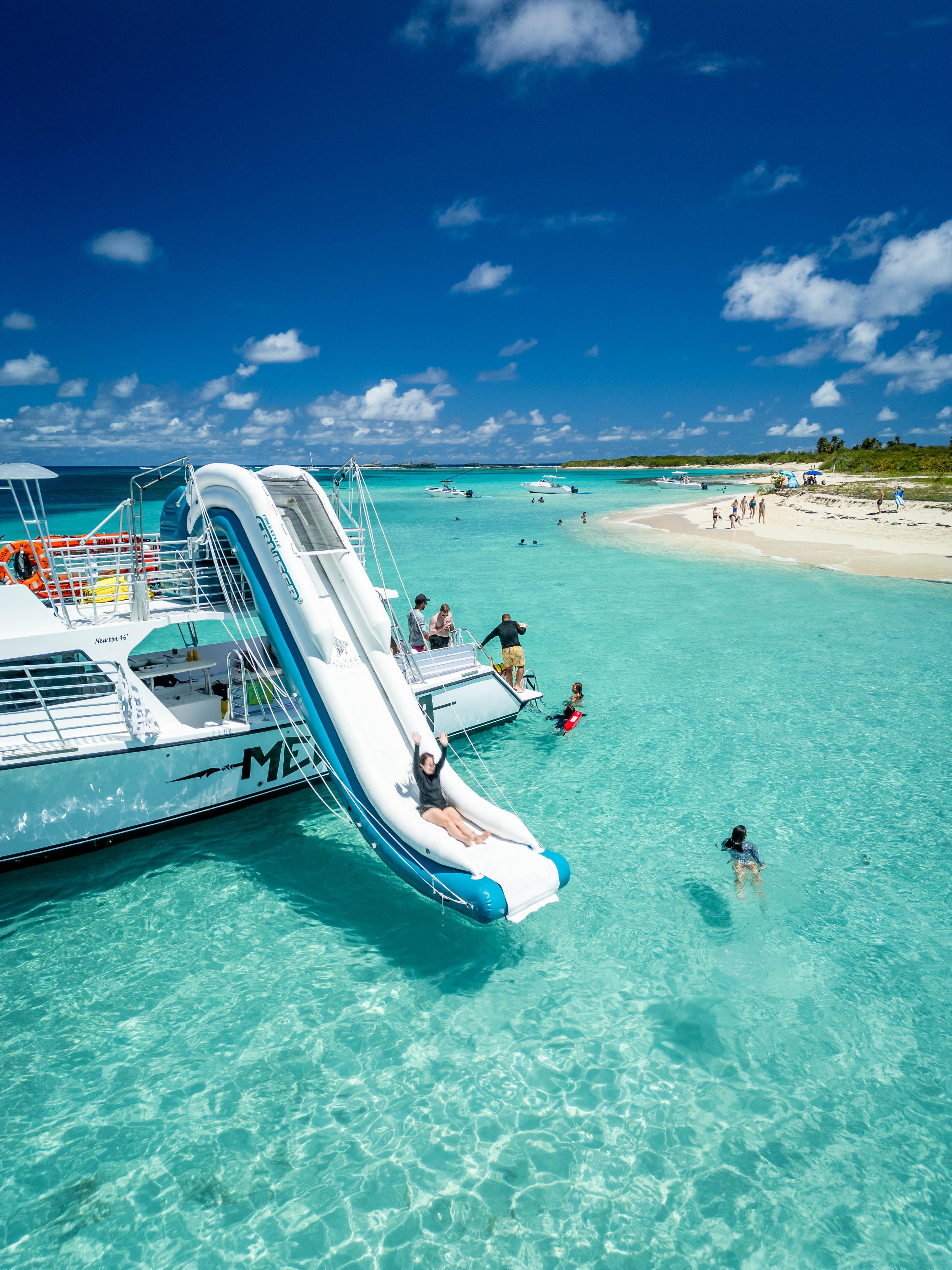
Icacos Island Catamaran Adventure
- Expert local guide
- Small group
- Skip-the-line access
- Free cancellation
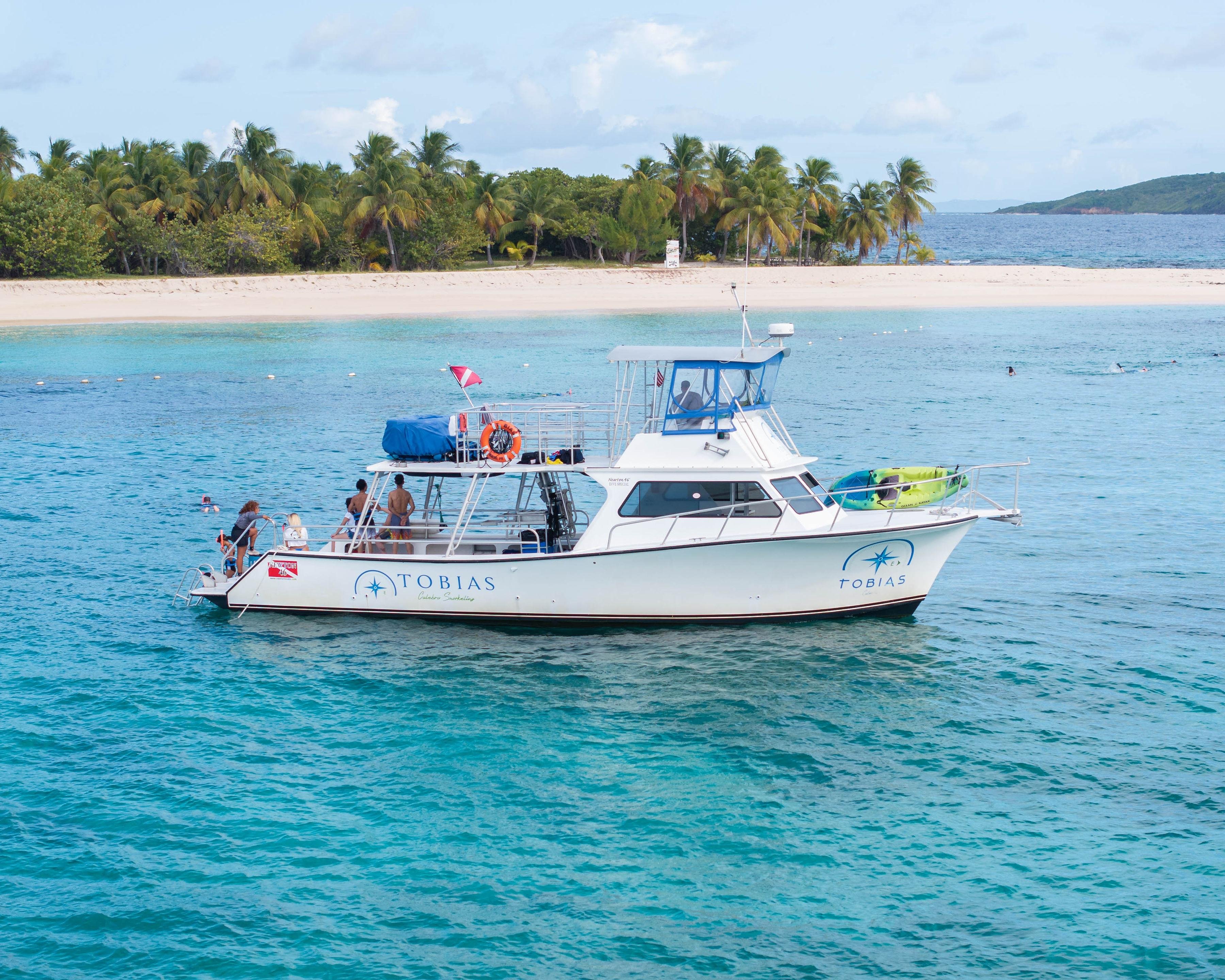
Icacos Island Tour From Fajardo — Catamaran & Snorkeling Departures
Turquoise shoals and coral gardens, twenty minutes offshore
Compare fares, pick the fit — all bookings are mobile-voucher and eligible for free cancellation where shown.
6 hr
5 hr
5 hr
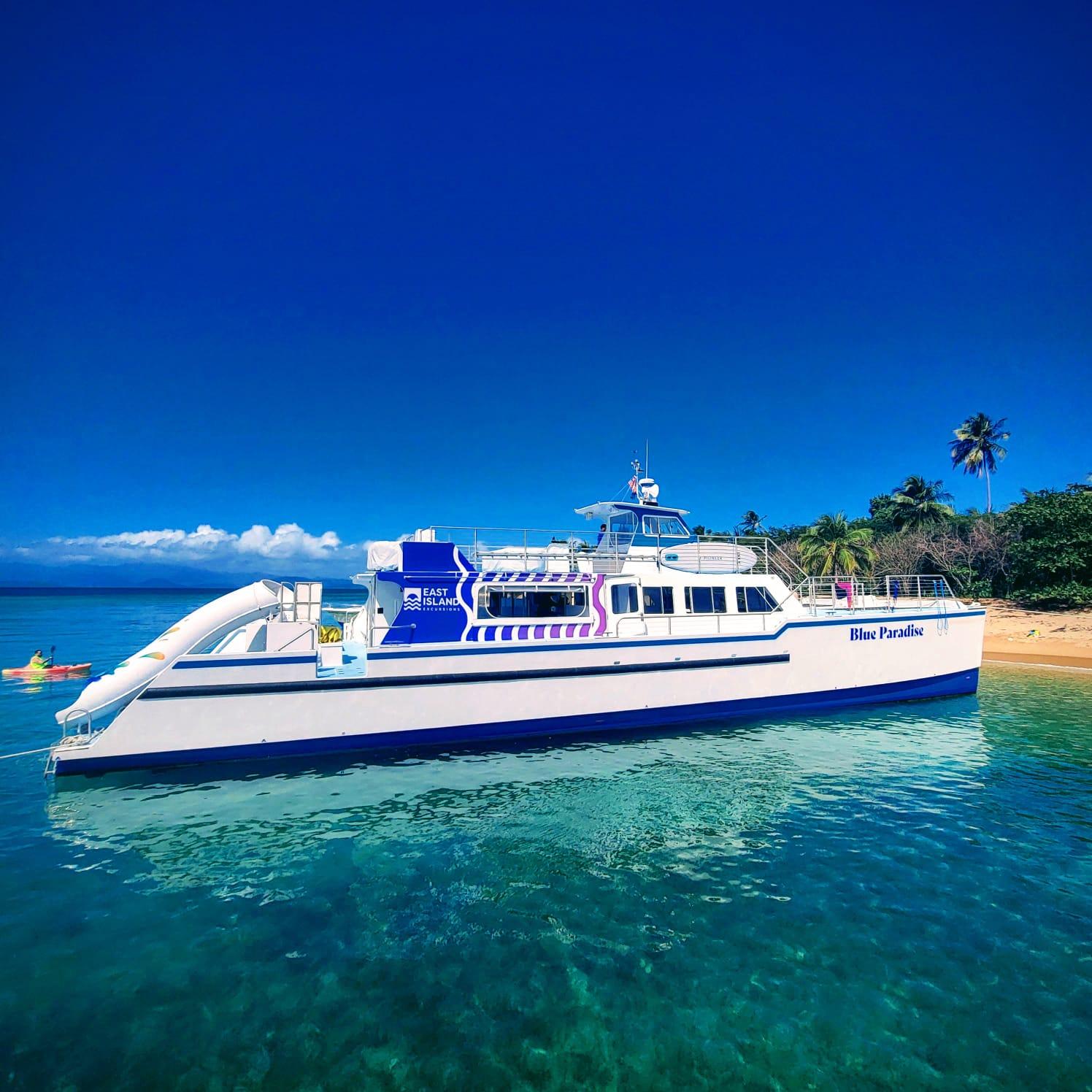
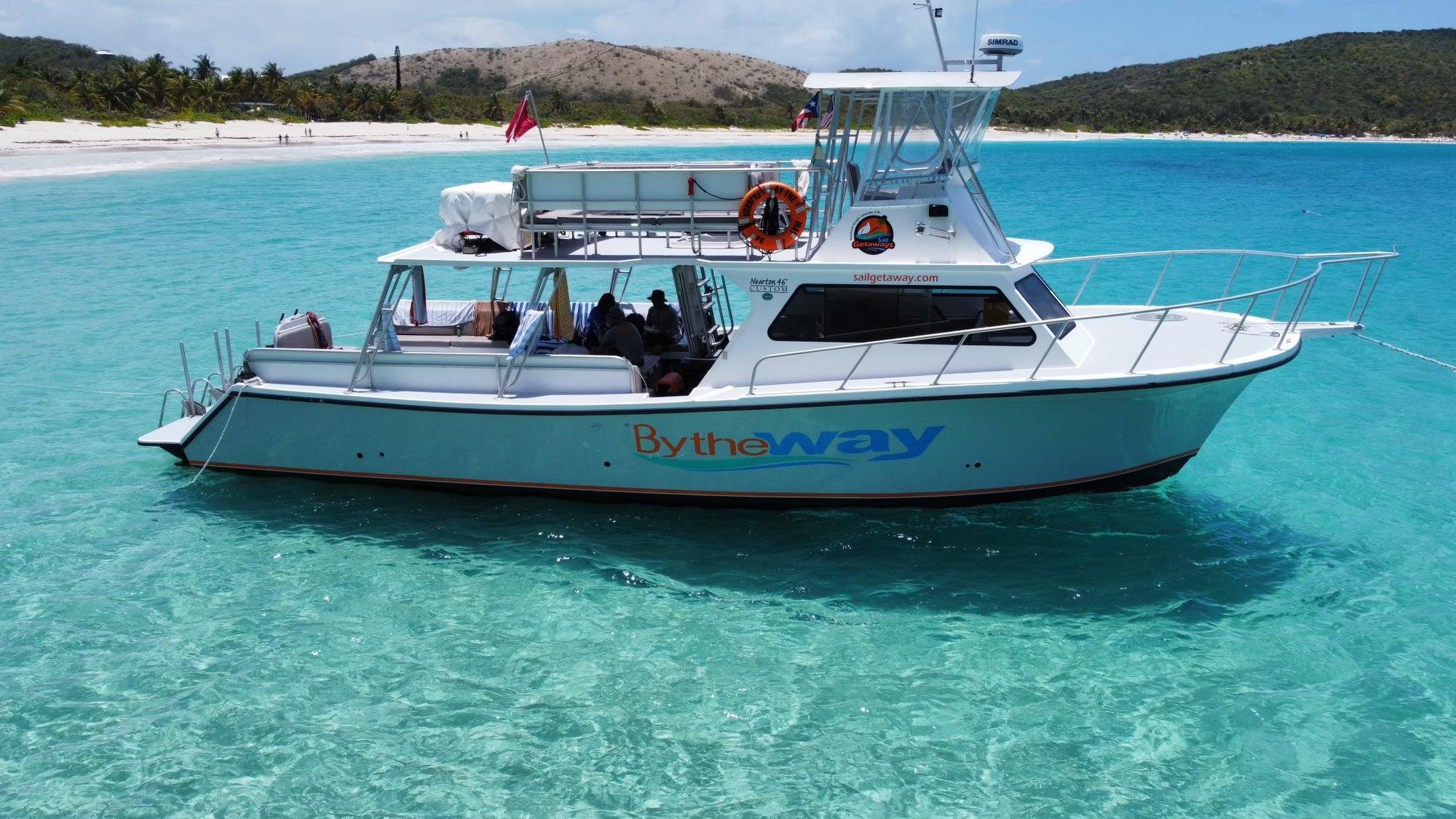
Planning an icacos island tour from fajardo requires choosing between private charters or shared catamaran excursions. These La Cordillera Nature Reserve trips provide essential access to pristine Caribbean waters and white sandy beaches.
|
Top pick Shared Catamaran (Large Vessel) |
Private Charter (Customized Vessel) | |
|---|---|---|
| Entrance Fee | 0 USD | 0 USD |
| Capacity | Large group | Private group |
| Departure Location | Fajardo Marina | Fajardo Marina |
| Snorkeling Equipment | Included | Included or personal |
| Wait Time | Scheduled departure | Flexible departure |
| Best for | First-timers and social travelers | Groups seeking privacy |
| See tickets & prices |
Verdict: Visitors seeking a social atmosphere should book shared icacos island tour from fajardo tickets, while those prioritizing flexibility often prefer private charters.
Worth it for snorkelers and beach lovers
An icacos island tour from fajardo delivers exceptional value for anyone chasing crystalline Caribbean waters and untouched white sand. The island sits within La Cordillera Nature Reserve with zero entrance fee, meaning your tour cost covers boat transfer, snorkeling gear, and often food and drinks. Most catamaran and boat adventures run four to six hours, giving you ample time to snorkel the coral gardens, lounge on the protected beach, and explore the shallow flats. The snorkeling here rivals any paid marine park—sea turtles, rays, and reef fish are common sightings—and the lack of development keeps Icacos pristine. Tours from Fajardo's marina hub depart daily, making logistics simple. Skip it only if you prefer urban beaches or dislike boat rides; otherwise, this excursion to Icacos ranks among the best-value day trips in eastern Puerto Rico.
Bottom line: For the combination of world-class snorkeling, untouched scenery, and all-inclusive convenience, icacos island tour from fajardo options justify every dollar.
An icacos island tour from fajardo is better for travelers prioritizing proximity and calm swimming, whereas Culebra offers superior beach aesthetics and protected reef ecosystems. They complement each other; most visitors who do both call Culebra the more adventurous excursion.
|
Top pick Icacos Island |
Culebra Day Trip | |
|---|---|---|
| Travel time from Fajardo | 20–30 minutes | 60–90 minutes |
| Primary activity focus | Snorkeling and beach relaxation | Playa Flamenco beach time |
| Crowd density | Moderate to high | High at tourist hubs |
| Snorkeling quality | Excellent near reef walls | World-class at Tamarindo |
| Beach atmosphere | Unspoiled nature reserve | Popular public park setting |
| Entry requirements | Free access (boat required) | Free access (boat required) |
| See tickets & prices |
Verdict: Choose an icacos island tour from fajardo tickets package if you have limited time, or select the Culebra day trip for iconic coastal landscapes and extensive marine life observation.
Hand-picked experiences loved by thousands of travelers
4 hours
Free Cancellation
Sail to a pristine Caribbean cay for snorkeling, swimming, and beach time with drinks and lunch included
5.5 hours
Free Cancellation
Sail to a pristine offshore island, snorkel turquoise reefs, and unwind with tropical drinks aboard a spacious catamaran.
6 hours
Free Cancellation
Sail to a pristine nature reserve island aboard a spacious catamaran with snorkeling, beach time, and authentic Puerto Rican cuisine
6 hours
Free Cancellation
High-speed catamaran escape to pristine Cordillera Islands with reef snorkeling, beach access, and lunch
4 hours
Free Cancellation
Half-day snorkeling adventure with guided reef exploration, beach time, and tropical drinks included
6 hours
Free Cancellation
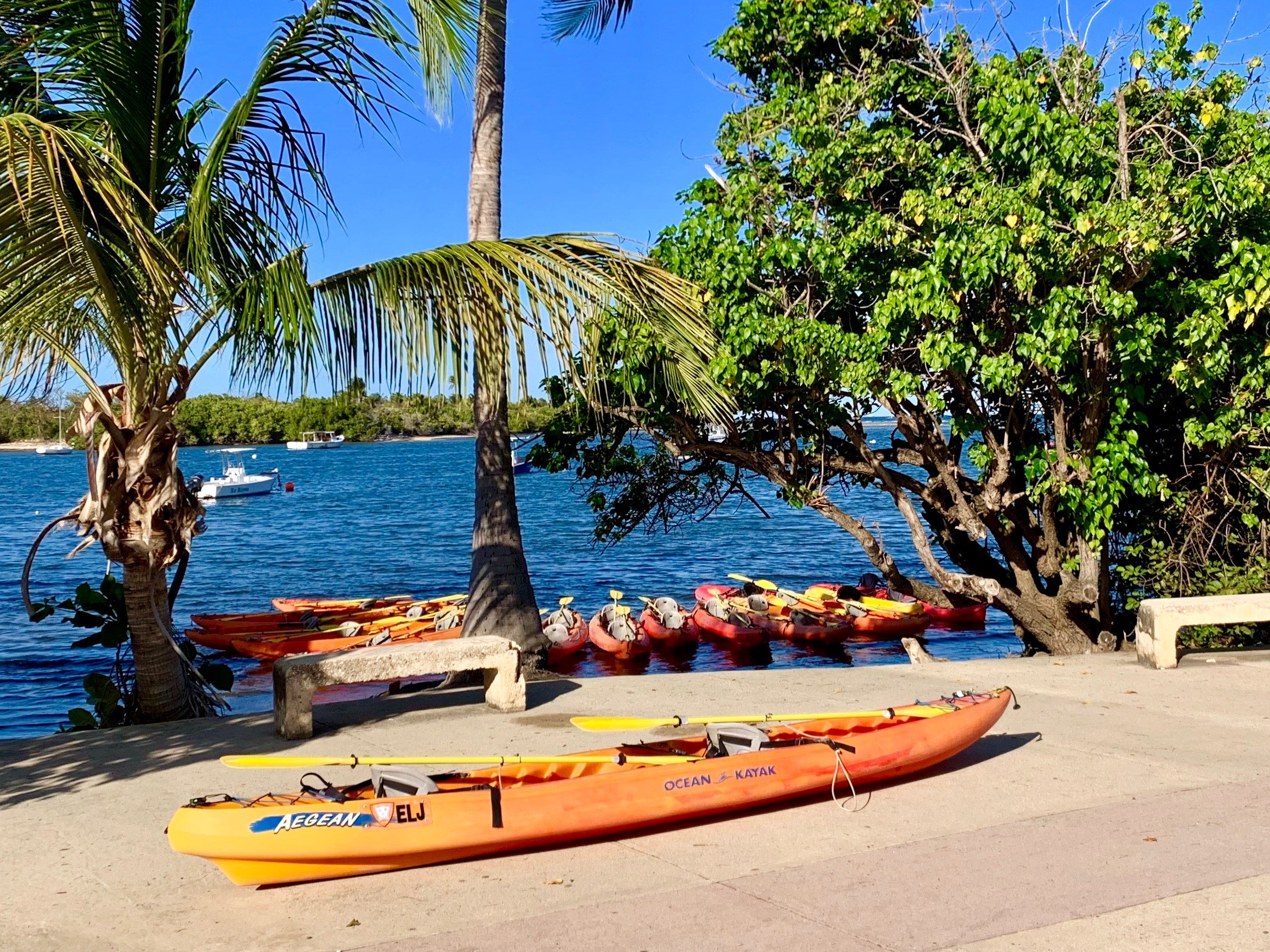
Sail the turquoise waters to a remote island beach for kayaking, paddleboarding, and island relaxation
6.5 hours
Free Cancellation
Discover Culebra's underwater world and pristine shores on a full-day power boat excursion from Fajardo
3 hours
Free Cancellation
Paddle through glowing waters and mangrove tunnels under the stars at Laguna Grande
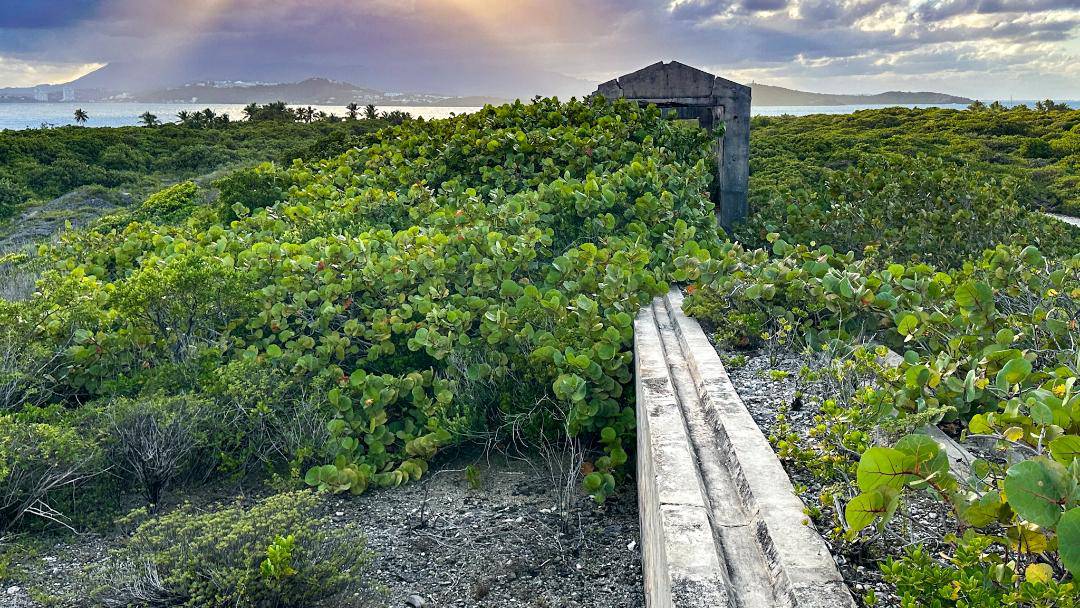
Explore the historical remnants of the 1930s mining operation that once functioned on the island. This site offers a glimpse into the island’s industrial past against a natural backdrop.
Known for frequent sightings of green sea turtles grazing in the shallow seagrass beds. This area is a primary spot for gentle marine wildlife observation.
These reefs feature abundant fire coral and diverse tropical fish species in protected, shallow waters. Ideal for snorkeling enthusiasts seeking clear conditions.
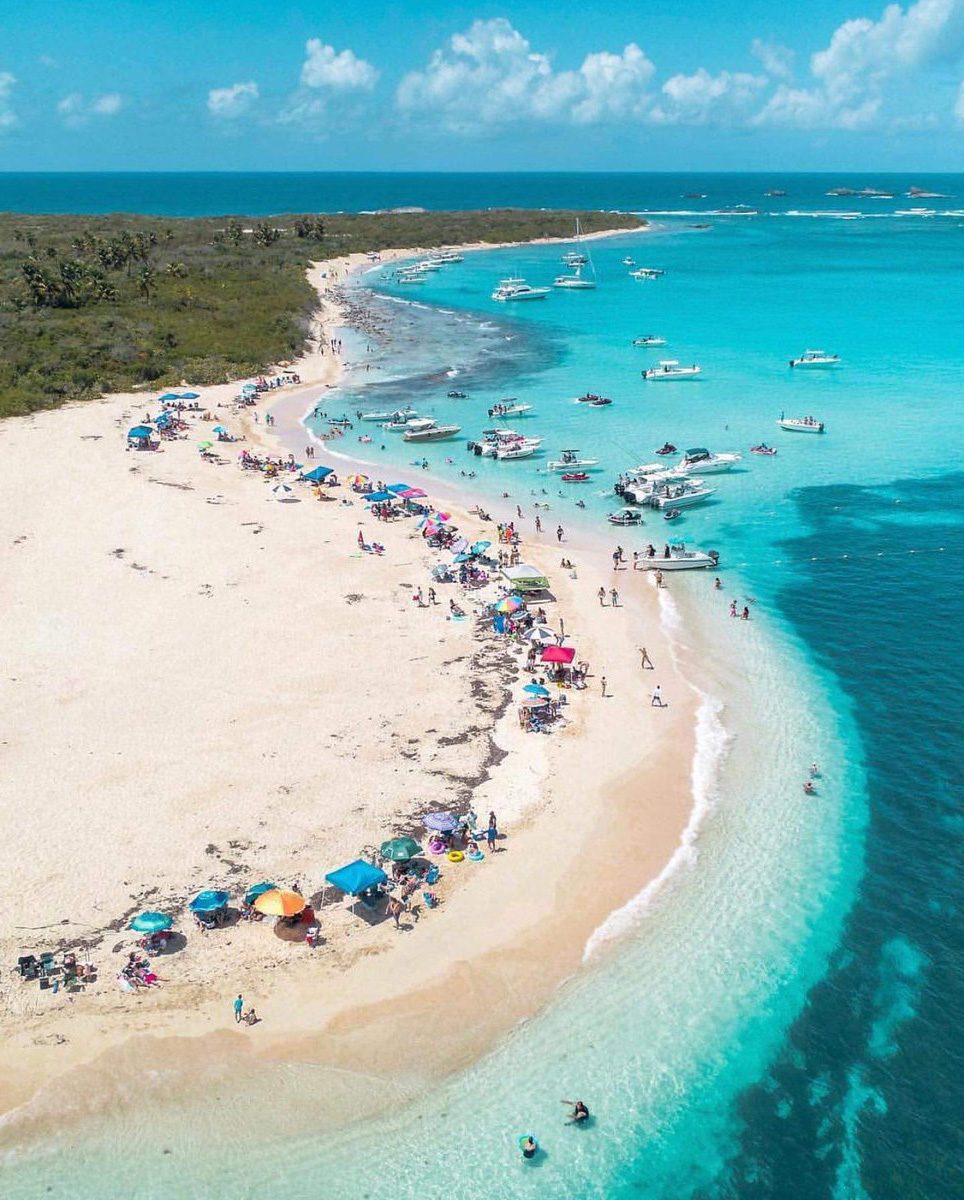
The island’s famous sandbar transitions into deep turquoise water, creating a postcard-perfect swimming environment. It remains the most photogenic location for visitors.
A narrow belt of dry forest vegetation that provides a natural border to the beach area. It is home to migratory birds and native hermit crabs.
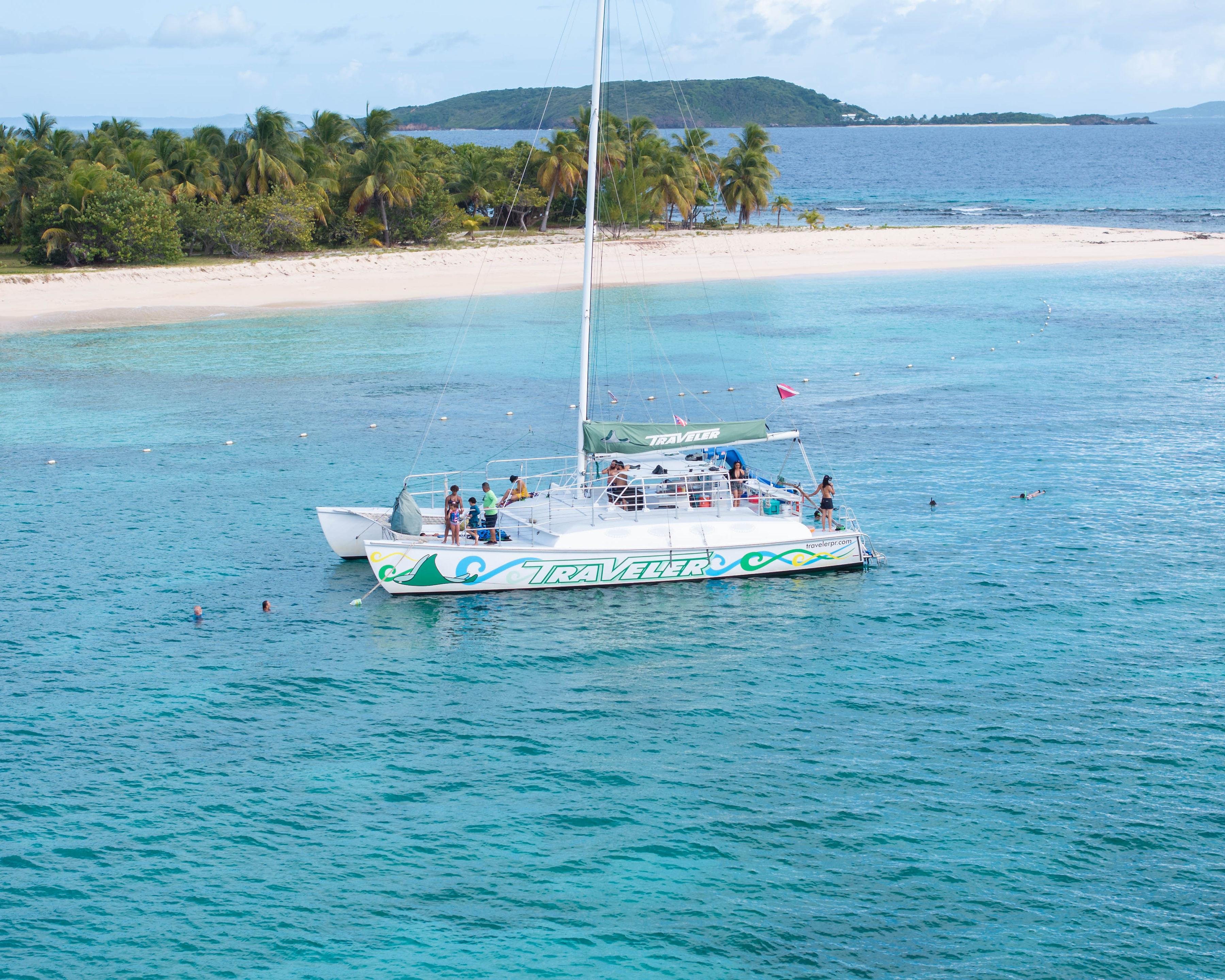
You step aboard at Fajardo marina shortly after eight, the catamaran's twin hulls already loaded with coolers and mesh bags of snorkel gear. The deck crew briefs you on the route as the vessel clears the breakwater and accelerates northeast, the hull rising onto plane and the windward spray cooling the foredeck.
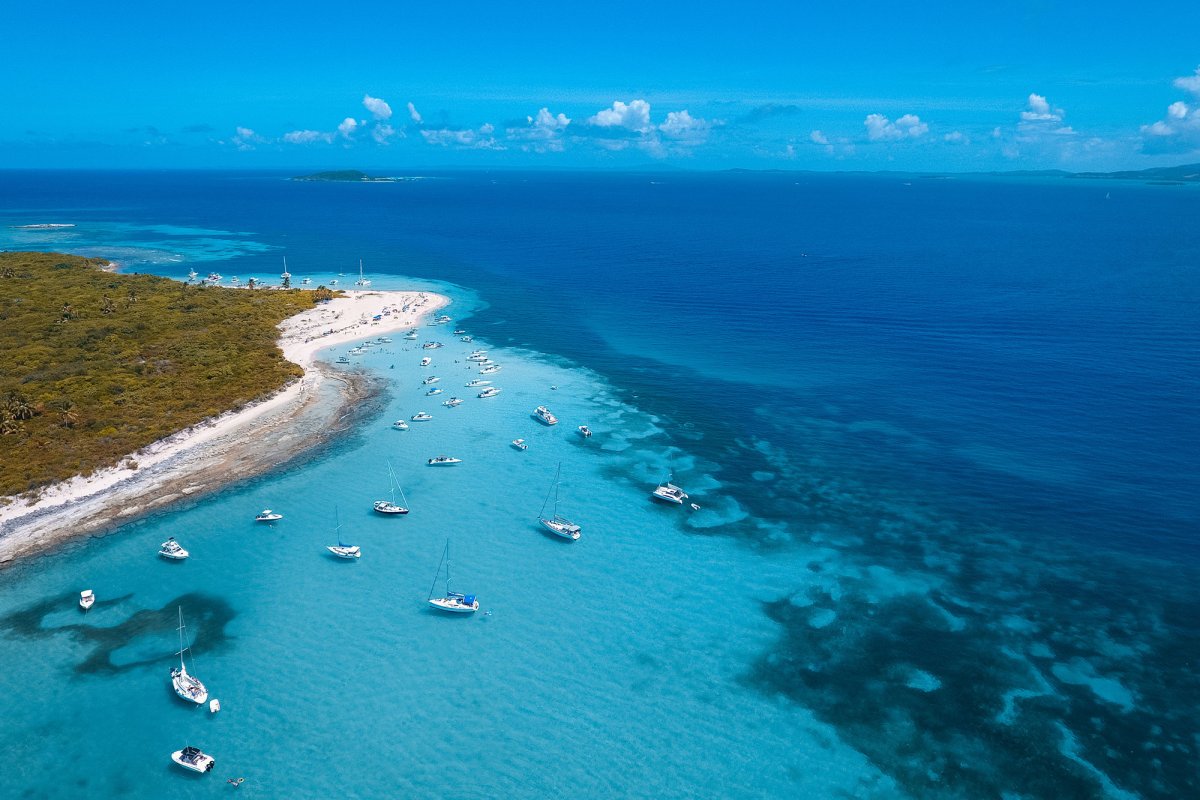
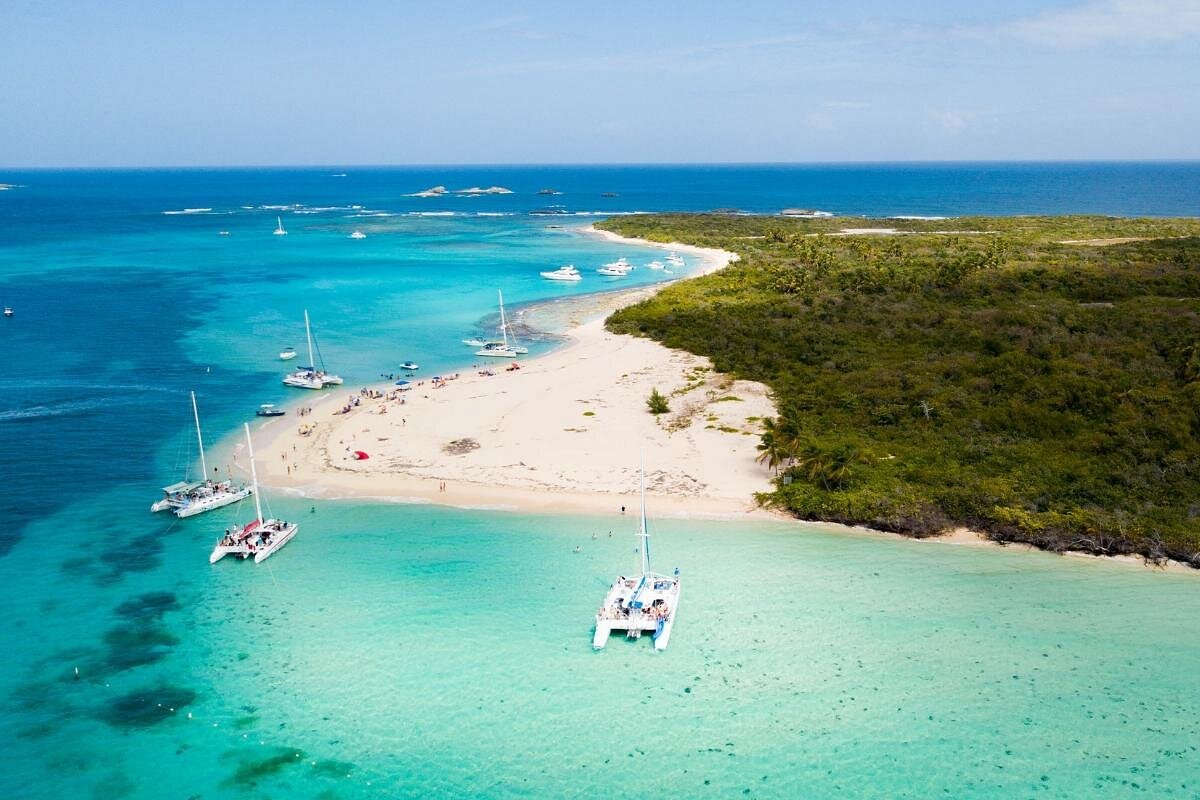
Icacos appears as a low green smudge on the horizon, its profile sharpening as the distance closes. Eighteen minutes after departure, the captain throttles back and swings the bow into the wind, anchoring in four metres of clear water thirty metres offshore.
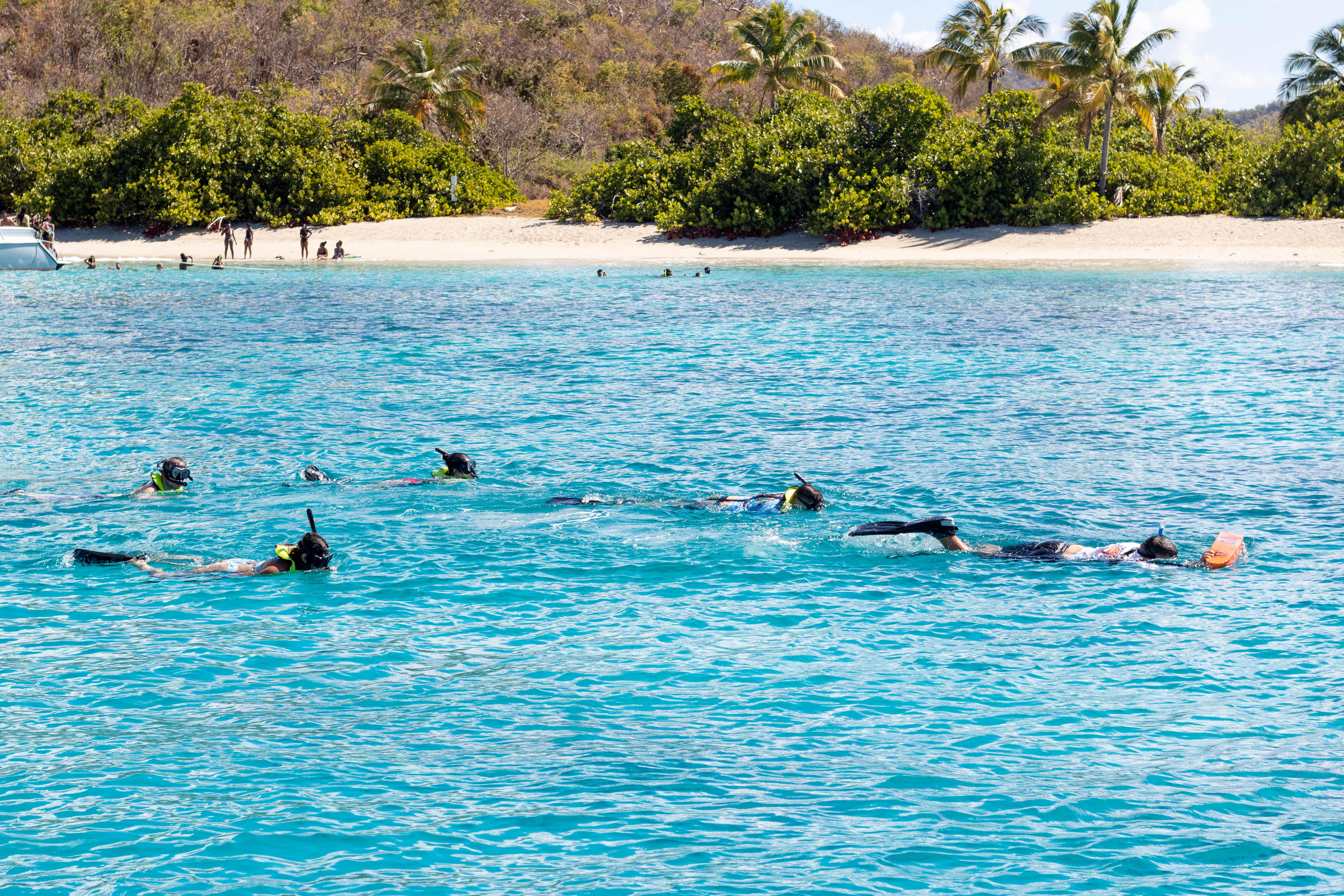
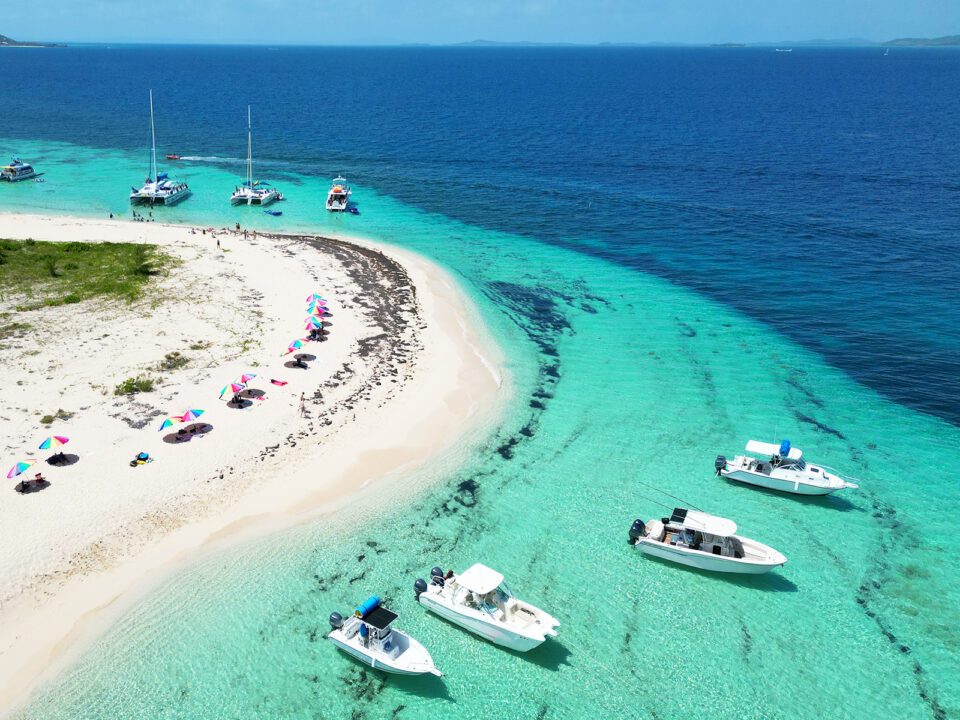
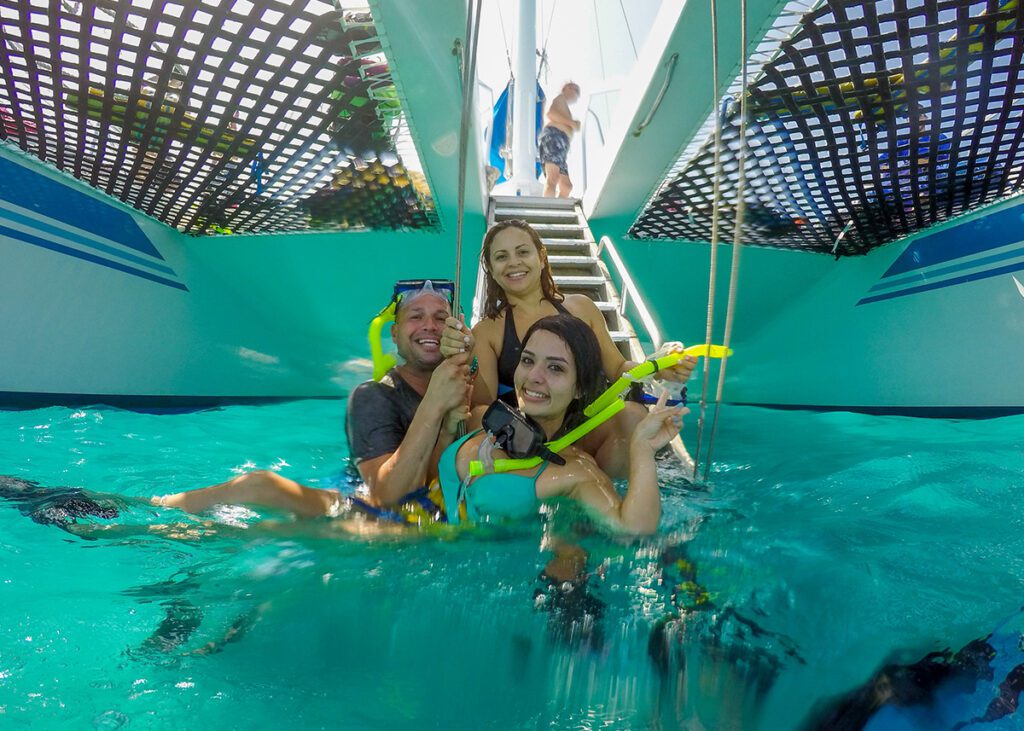
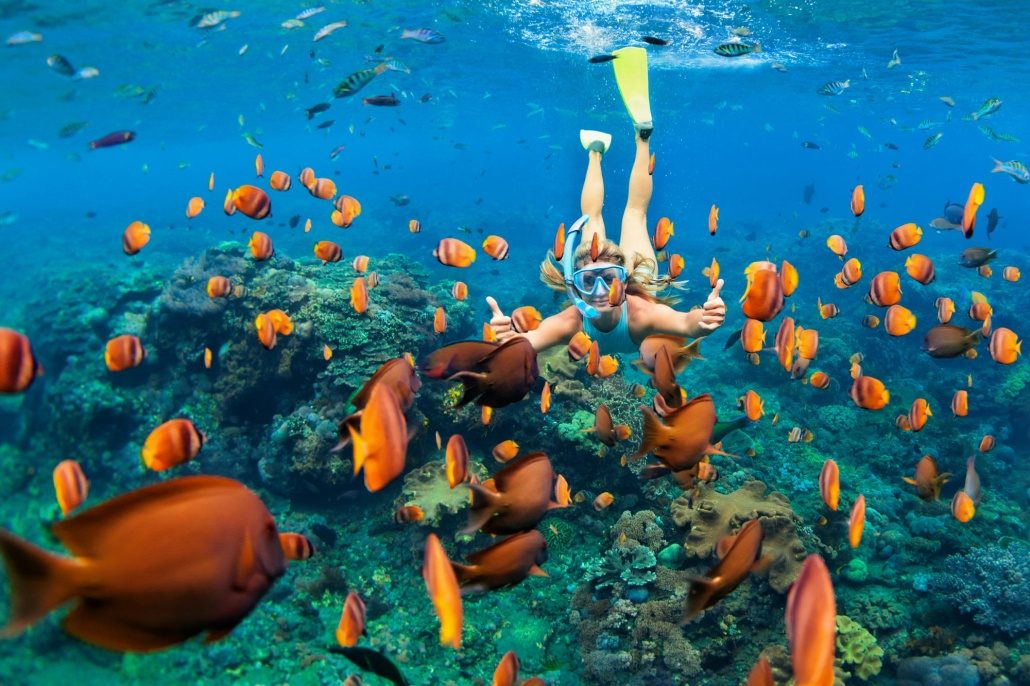
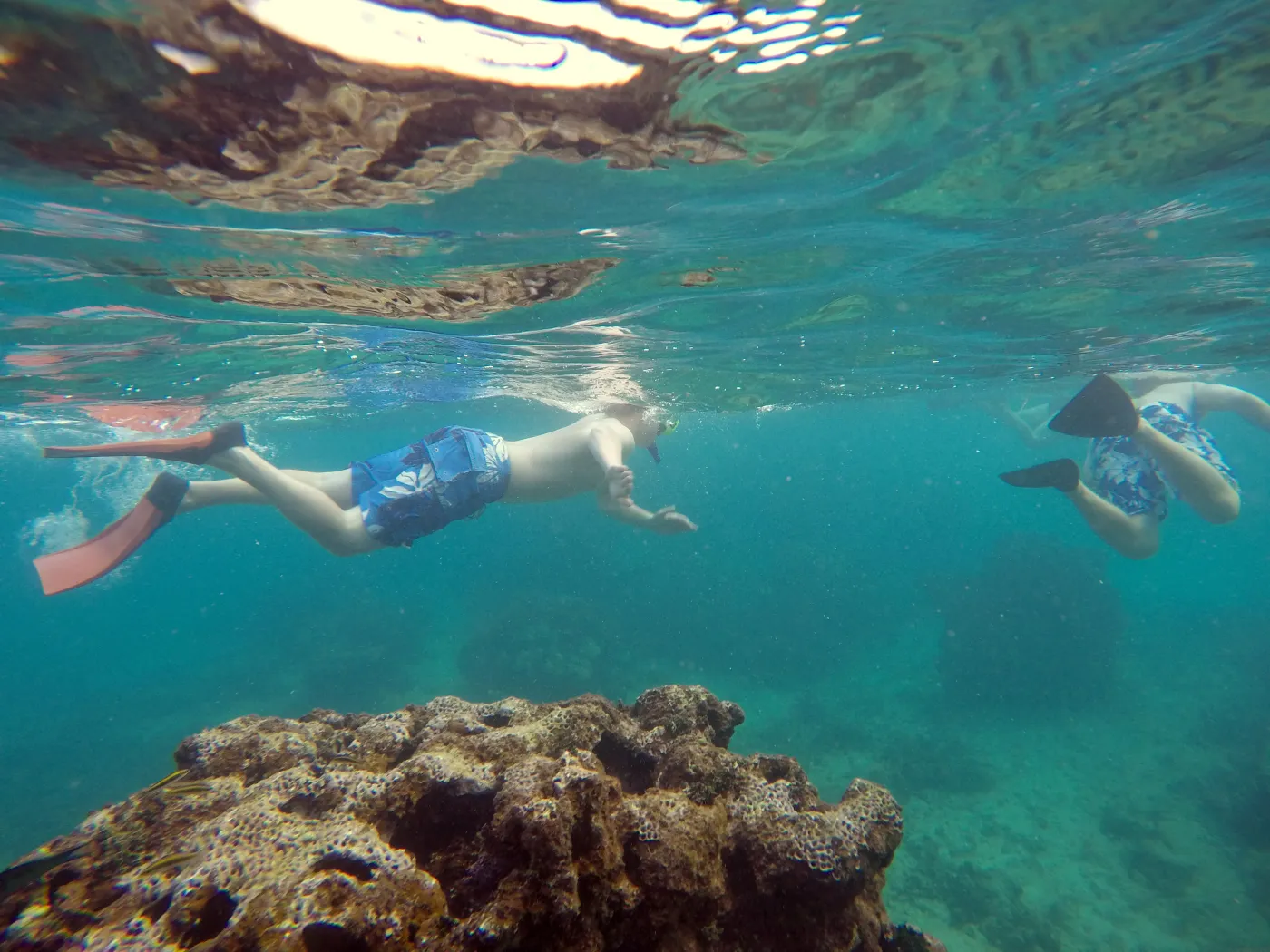
You wade in from the swim platform, the sand firm underfoot and the water temperature just warm enough to forget. The beach curves left and right, its interior edge fringed by low mangroves that trap driftwood and plastic debris carried in on the prevailing swell. Most passengers spread towels near the western end, where a shallow tidal pool offers calm water for wading. You pull on fins and a mask, then swim parallel to the shore toward the reef edge, where the bottom drops from three metres to seven and the coral heads rise in columnar formations. Parrotfish browse the algae-covered rock, their beak-like teeth scraping audibly, and sergeant majors dart between the coral branches.
By noon the wind has built to twelve knots and the surface chop blurs your view of the bottom. You return to the beach, rinse in the shallows, and board for the return crossing, the cay receding to a pale line as the catamaran turns southwest toward Fajardo.
All the details about your upcoming adventure in one place
Icacos Island lies eight nautical miles northeast of Fajardo, the uninhabited westernmost cay of La Cordillera Nature Reserve, established in 1980 to protect seventeen square miles of shallow reef, seagrass meadow, and coral head habitat.
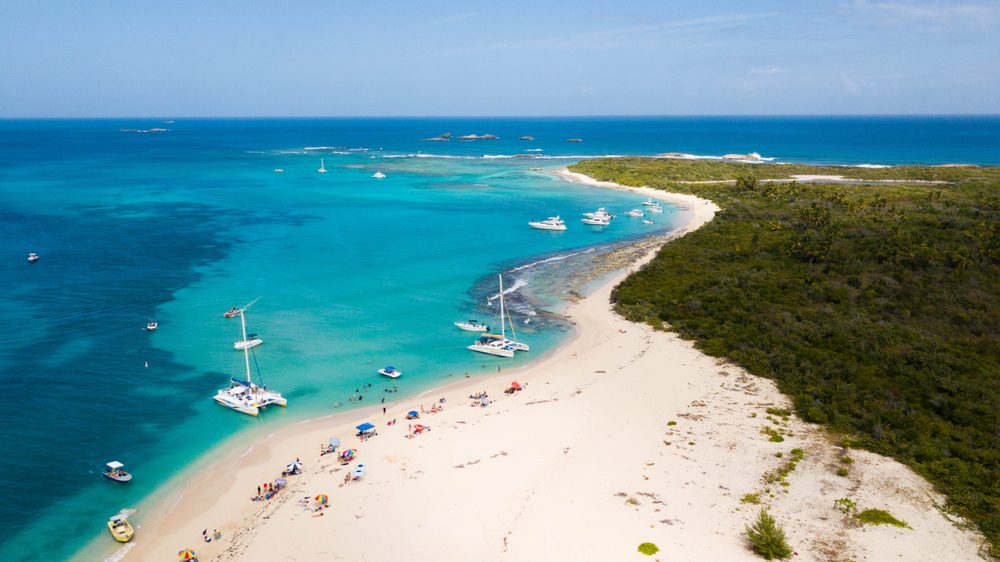
The reserve's boundaries exclude motorized vessels from designated zones, but its western shore—a crescent of coralline sand barely three hundred metres long—welcomes day visitors who arrive by permitted catamaran or speedboat. No infrastructure exists on the island. No pier, no pavilion, no freshwater source. Vessels anchor in the lee and ferry passengers ashore in knee-deep water.
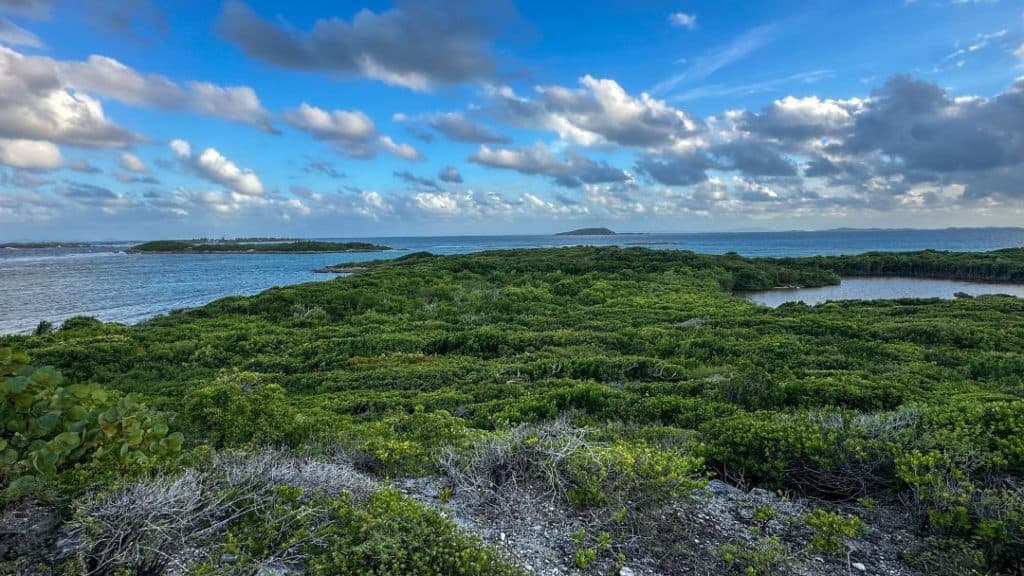
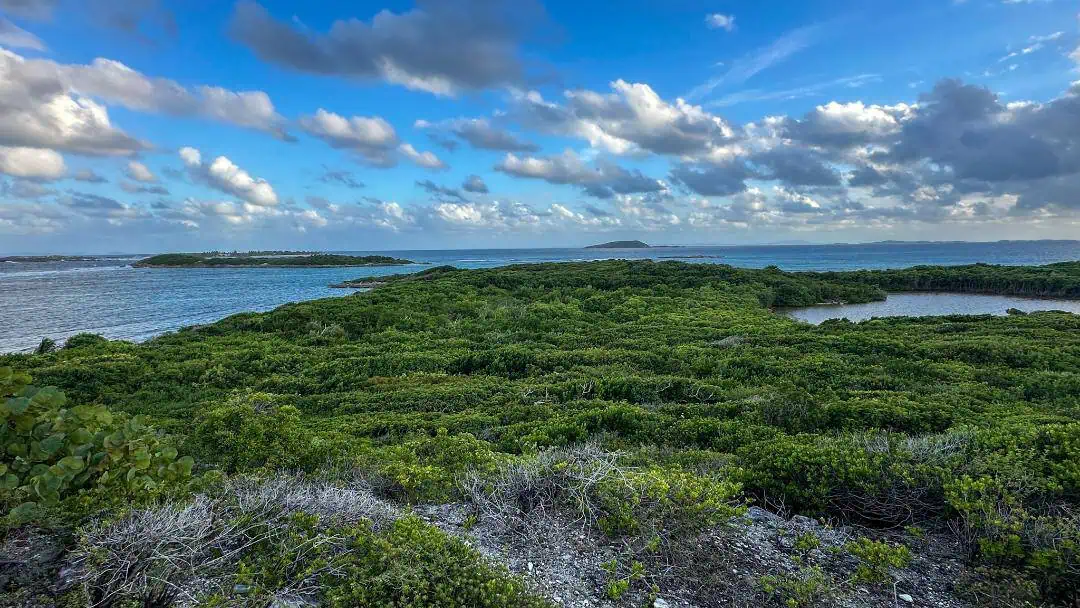
The cay itself is a limestone platform, its interior colonized by scrub mangrove and buttonwood that lean windward, their roots exposed where winter swells have scoured the substrate. The beach faces southwest, sheltered by the bulk of Palomino and Palominito islands to the west, and the water stays shallow for thirty metres offshore, warming to twenty-eight degrees Celsius in the trade-wind season. Elkhorn coral fragments line the high-tide mark, remnants of the reef framework that once ringed the archipelago before hurricanes Georges, Irma, and Maria reshaped the benthos. Snorkeling conditions peak when the wind drops below ten knots, typically before noon, when visibility extends past twenty metres and the water column holds its clarity.
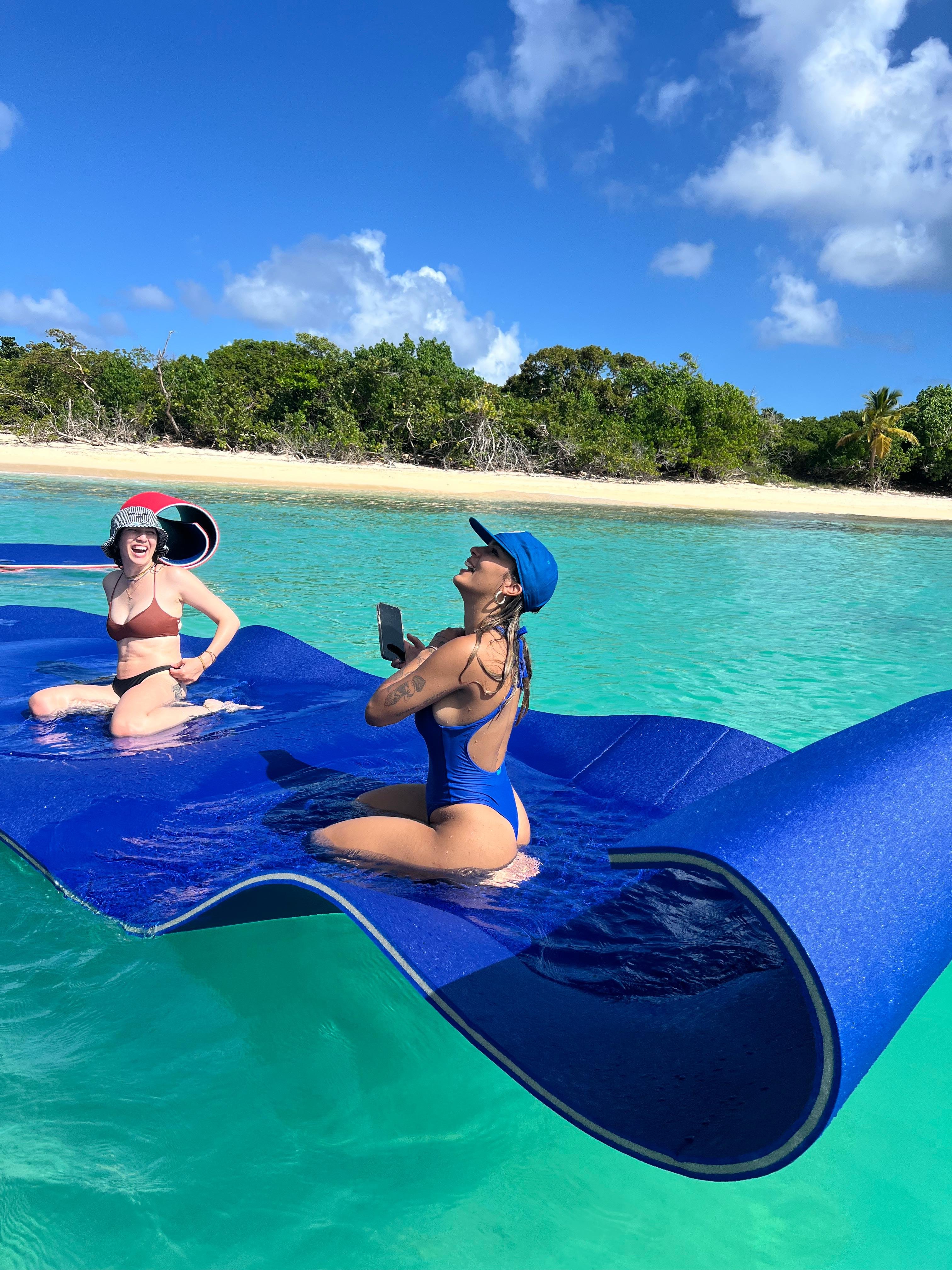
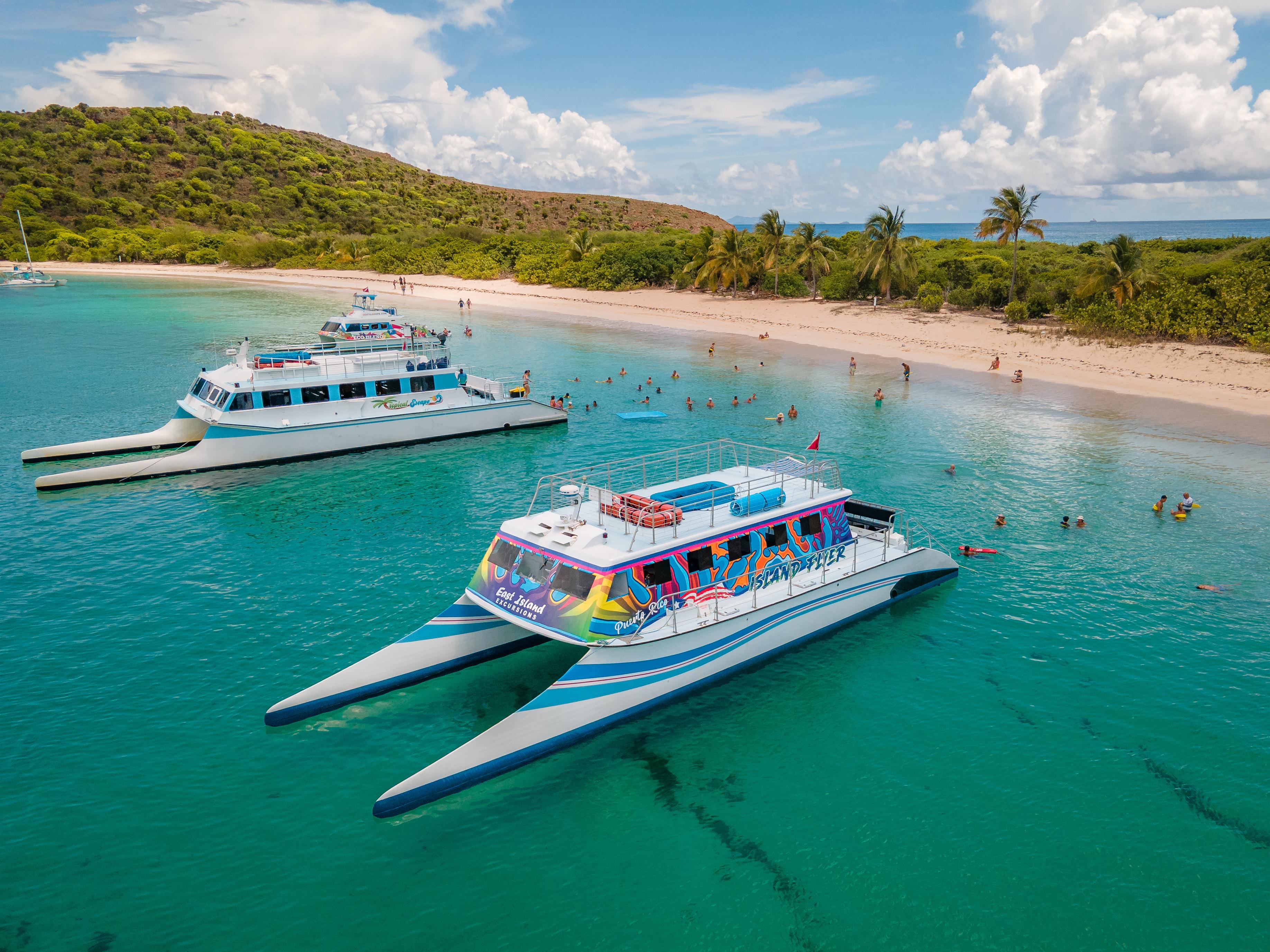
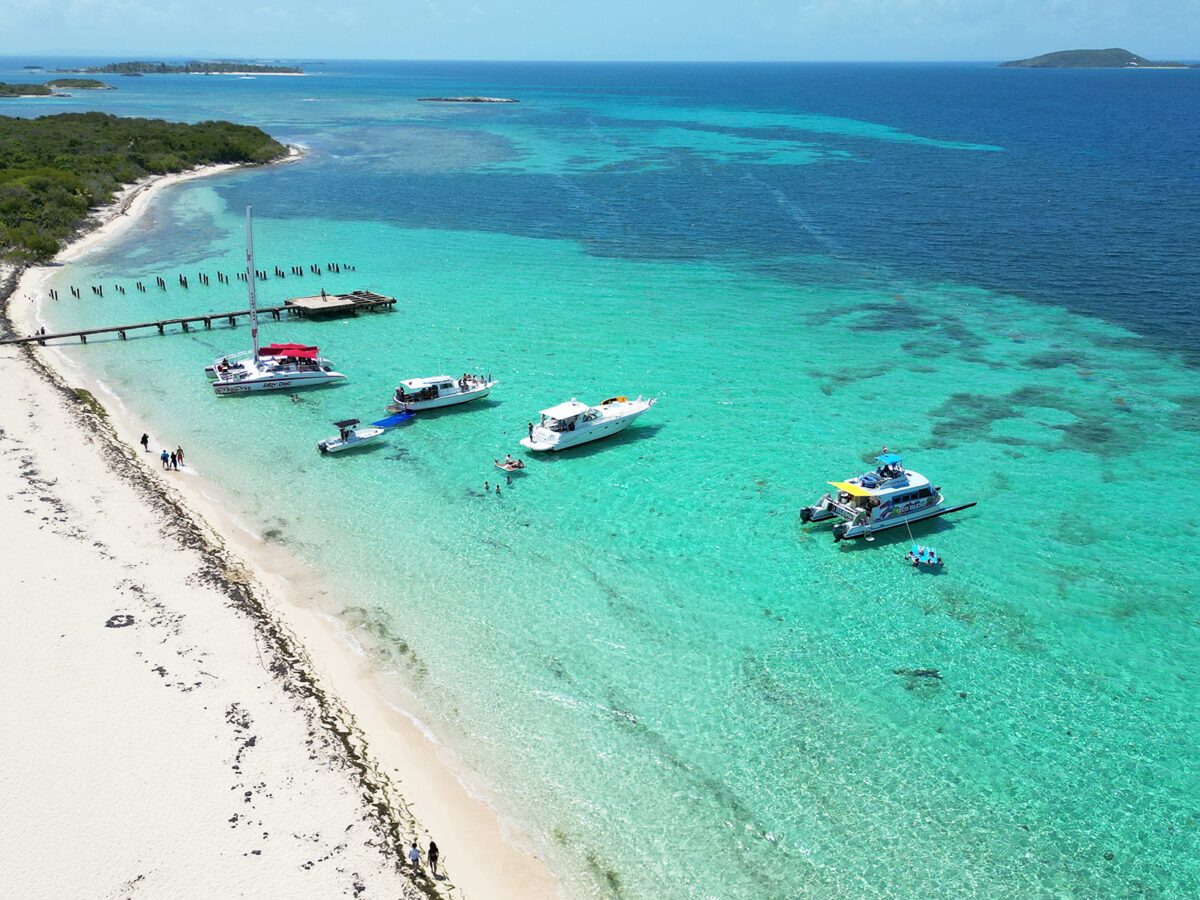
Fajardo's marinas—the primary departure hub for icacos island tour from fajardo operators—dispatch catamarans daily between eight and nine in the morning, a scheduling convention designed to outpace the afternoon chop that builds as the trades accelerate. Most vessels carry twenty to forty passengers and include snorkel gear, coolers, and floating mats in their standard load. The crossing takes eighteen to twenty-two minutes depending on sea state, and captains typically allocate two to three hours at anchor before the return leg. La Cordillera's status as a nature reserve prohibits fishing, shell collection, and anchoring outside marked zones, rules enforced by the Department of Natural and Environmental Resources through periodic patrols.
The reserve's ecology has drawn sustained scientific attention since the mid-1990s, when researchers documented its role as a nursery ground for juvenile reef fish and nesting site for brown pelicans and sooty terns. The shallow platform surrounding Icacos supports dense stands of turtle grass, a primary food source for green sea turtles, which are occasionally sighted by snorkelers near the reef edge. The cay's lack of permanent human settlement has preserved its utility as a baseline site for coastal ecosystem studies, and its proximity to Fajardo ensures that boat-based access remains logistically straightforward for university research teams and sanctioned tour operators alike.

No infrastructure exists on the island. No pier, no pavilion, no freshwater source.
Wear swimwear under light, protective cover-ups to guard against strong Caribbean sun. Footwear should be limited to sandals or water shoes suitable for boat decks and sandy beaches.
There are no lockers or security facilities on the island, so bring only what you can carry. Secure all personal belongings on your boat or keep them with you at all times on the beach.
The island offers exceptional natural lighting for landscape shots of the turquoise shoreline. Be mindful of marine wildlife and do not disturb birds or nesting areas when framing your photos.
The shallow, calm waters on the leeward side of Icacos Island are well-suited for families with children. Supervision is mandatory as there are no lifeguards on duty at this nature reserve.
The island has no paved paths or facilities, making the beach area inaccessible for wheelchairs. Visitors must be able to disembark from a boat into shallow water or onto a small craft.
There are no vendors, restaurants, or water sources on the island. Guests must bring their own cooler with food, drinks, and ice to enjoy a full day on the beach.
Best arrival window
08:00–12:00
Address
Icacos Island, La Cordillera Nature Reserve, Fajardo, Puerto Rico
Accessibility
No facilities; sandy terrain
Entrance fee
0 USD
Storage
None available; pack light
Most operators require cancellation at least 48 hours in advance for a full refund. As Icacos Island is an uninhabited nature reserve with 0 USD entrance fee, fees paid cover boat transport only.
Recommended time
4-6 hours
To enjoy an icacos island tour from fajardo effectively, plan for a half-day excursion to navigate the turquoise waters of La Cordillera Nature Reserve. You should arrive early to secure a prime spot on the sand before the arrival of larger vessels and afternoon day-trippers. Booking your icacos island tour from fajardo tours in advance helps streamline departures from the marina, while those seeking icacos island tour from fajardo tickets should note that while the island has 0 USD (Free entry; island is an uninhabited nature reserve), boat transit requires a reservation. Following the best arrival window: 08:00–12:00 ensures a quieter experience before the peak afternoon congestion.
Crowd levels through the day
Icacos Island emerged from the Spanish colonial charts as Isleta Icacos, named for the icaco plum trees that once dotted its interior. The island sat along the route between San Juan and the Virgin Islands, a low sand bank ringed by coral that mariners learned to avoid after dark. By the mid-nineteenth century, local fishermen used the lee shore as a storm shelter, and cartographers marked it as a navigation hazard rather than a destination. The shallow shelf surrounding the island made anchorage treacherous, and no permanent settlement took root. In 1975, Puerto Rico designated the waters around Icacos part of La Cordillera Nature Reserve, closing the island to private development and anchoring a network of protected reefs stretching east from Fajardo. The reserve prohibited motorized access within two hundred meters of shore, forcing tour operators to anchor offshore and ferry passengers by dinghy. Environmental monitoring began in 1982 after bleaching events threatened the elkhorn coral colonies that stabilized the western approach. Scientists documented hawksbill turtle nesting on the northern beach, and by 1989 the island became a field site for Caribbean reef research. Icacos island tour from fajardo tours expanded rapidly in the 1990s as catamaran operators based in Fajardo added the island to multi-stop itineraries alongside Palomino and Palominito. The Natural Resources Department capped daily visitor numbers at five hundred in 2003 after erosion appeared on the main beach, but enforcement remained inconsistent. Hurricane Maria stripped vegetation from the interior in 2017, exposing fragile dunes that had been stable for decades. Post-storm restoration efforts replanted native grasses and installed low barriers to redirect foot traffic, while tour companies shifted embarkation times to reduce crowding during peak midday hours. Today the island remains uninhabited, accessible only by private boat or commercial icacos island tour from fajardo departures, with park rangers conducting monthly patrols to monitor coral health and nesting activity.
Spanish navigators charted the island as a shallow hazard along the Fajardo-to-Vieques sailing route.
Local fishermen used the western shore as a seasonal anchorage and storm refuge.
Puerto Rico established La Cordillera Nature Reserve, protecting Icacos and its surrounding reefs from development.
Marine biologists began monitoring elkhorn coral and documented hawksbill turtle nesting sites.
Catamaran operators from Fajardo began offering day tours, making Icacos a popular snorkeling destination.
Visitor caps were introduced after beach erosion raised concerns about environmental impact.
Hurricane Maria damaged dune vegetation, prompting multi-year restoration and stricter access protocols.
Park rangers increased patrols to enforce anchoring zones and protect recovering coral ecosystems.
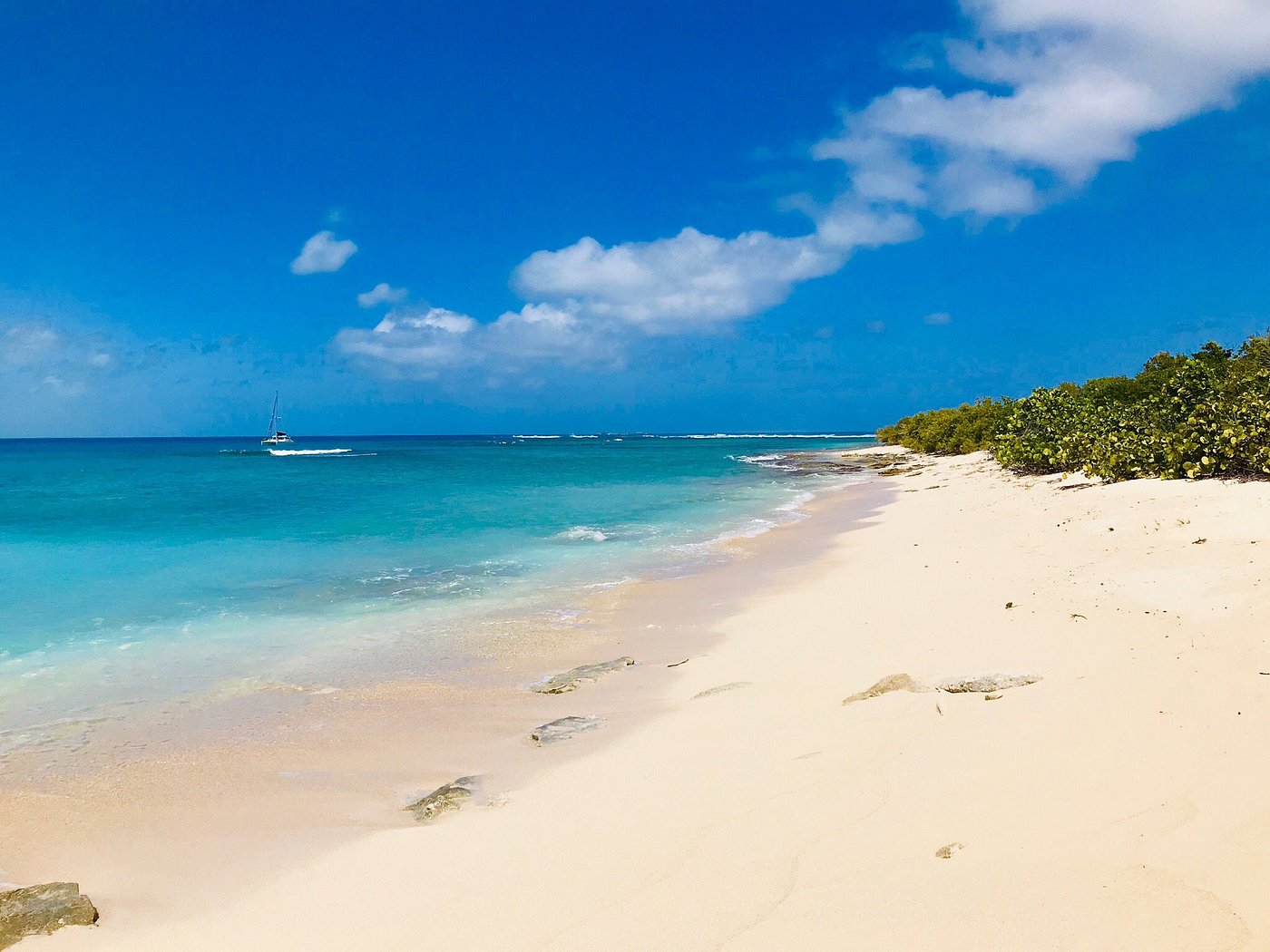
Stand at the water's edge looking back toward the turquoise shallows to capture the contrast between white sand and clear Caribbean waters. This angle is a staple for an icacos island tour from fajardo to showcase the clarity of the reef environment.
Position yourself on the low-tide sandbar located on the western side of the island for expansive shots of the La Cordillera Nature Reserve horizon. This location is frequently visited by those on an icacos island tour from fajardo tour seeking wide-angle landscape compositions.
Focus your lens on the dense mangrove roots meeting the calm sea along the southern perimeter to highlight the protected ecosystem. Finding these icacos island tour from fajardo tickets allows visitors to access these quiet, natural vantage points away from the main boat drop-off.
Use a waterproof housing or casing to photograph the seagrass beds and marine life beneath the surface. Many icacos island tour from fajardo tours provide the ideal transport to these crystalline swimming spots perfect for underwater photography.
Planning an icacos island tour from fajardo requires careful preparation, as this uninhabited nature reserve lacks basic infrastructure like restrooms or shade structures. Parents will find that managing gear and sun protection is essential for a smooth experience when visiting these pristine beaches.
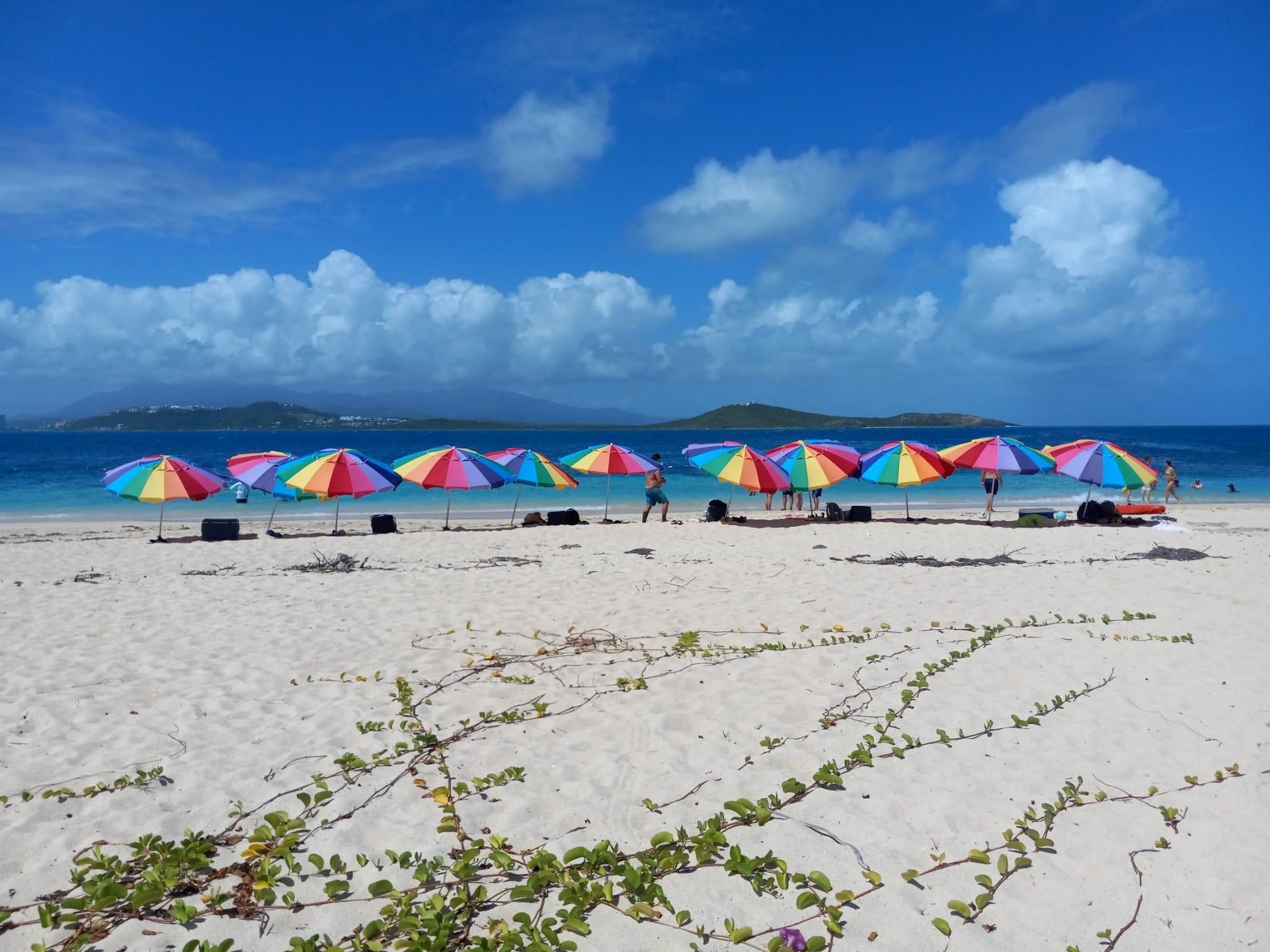
Bring a portable beach tent or large umbrella, as there is no natural cover on the sand, to ensure your group stays protected during your icacos island tour from fajardo tours experience.
Leave your stroller at the marina, as sand and boat transfers make them impractical; carriers are the recommended way to navigate your icacos island tour from fajardo tour.
Choose morning departures to secure calm waters, as afternoon crossings can become choppy, and keep children seated during the transit to avoid seasickness on your icacos island tour from fajardo tickets trip.
Pack ample water, snacks, and a portable cooler, since there are no vendors on the island; verify that your vessel provides a cooler for guest use before you head out to this fajardo nature reserve.
Note that the island has no changing rooms or running water; ensure your family is prepared for a rustic day by utilizing the facilities at the marina before departure.
Because Icacos Island is an uninhabited nature reserve, there are no restaurants or vendors on the sand, making an icacos island tour from fajardo a self-sufficient experience. Visitors typically arrange to bring their own refreshments before departing from the marina to enjoy along the shoreline.
Located at the primary marina hub for your icacos island tour from fajardo tours, this spot serves fresh seafood and local appetizers. It is ideal for a post-excursion meal once you return to the mainland.
These upscale dining options offer a range of international and Caribbean cuisine for those booking icacos island tour from fajardo tickets. The venues provide a comfortable setting to relax after spending the day in the sun.
This cluster of casual stalls offers quick bites like alcapurrias and pinchos perfect for travelers finishing an icacos island tour from fajardo tour. These vendors are popular with locals and provide an authentic taste of Fajardo.
Everything you need to know for your journey
Icacos Island is an uninhabited nature reserve accessible 24 hours a day, though boat operators typically run trips during daylight hours. Always check your specific booking for departure times.
No, entrance fee is 0 USD as the island is a protected nature reserve. Costs associated with your icacos island tour from fajardo are for boat transport or tour services only.
There are no facilities on the island, including restrooms. Most tour boats provide onboard bathroom access before and after the beach stop.
We recommend the 08:00–12:00 arrival window to enjoy calmer waters and avoid the afternoon crowds from tour catamarans. Arriving early is essential for securing the best beach spots.
Yes, the island features calm, shallow waters perfect for families. Please supervise children closely at all times during your icacos island tour from fajardo.
Yes, since there are no vendors, you must bring all food and drinks for your day. Pack out all trash to help preserve the environment.
No, there are no lifeguards on duty on the island. Please practice water safety and stay within your limits while snorkeling or swimming.
You can reach the island only by boat, typically via a water taxi or catamaran from the Fajardo marinas. Private charters are also popular for an icacos island tour from fajardo.
Bring reef-safe sunscreen, a hat, water shoes, your own snorkel gear if preferred, and a beach umbrella to stay protected from the sun.
Join thousands of happy travelers who have discovered this incredible experience
Book Your Experience Now